
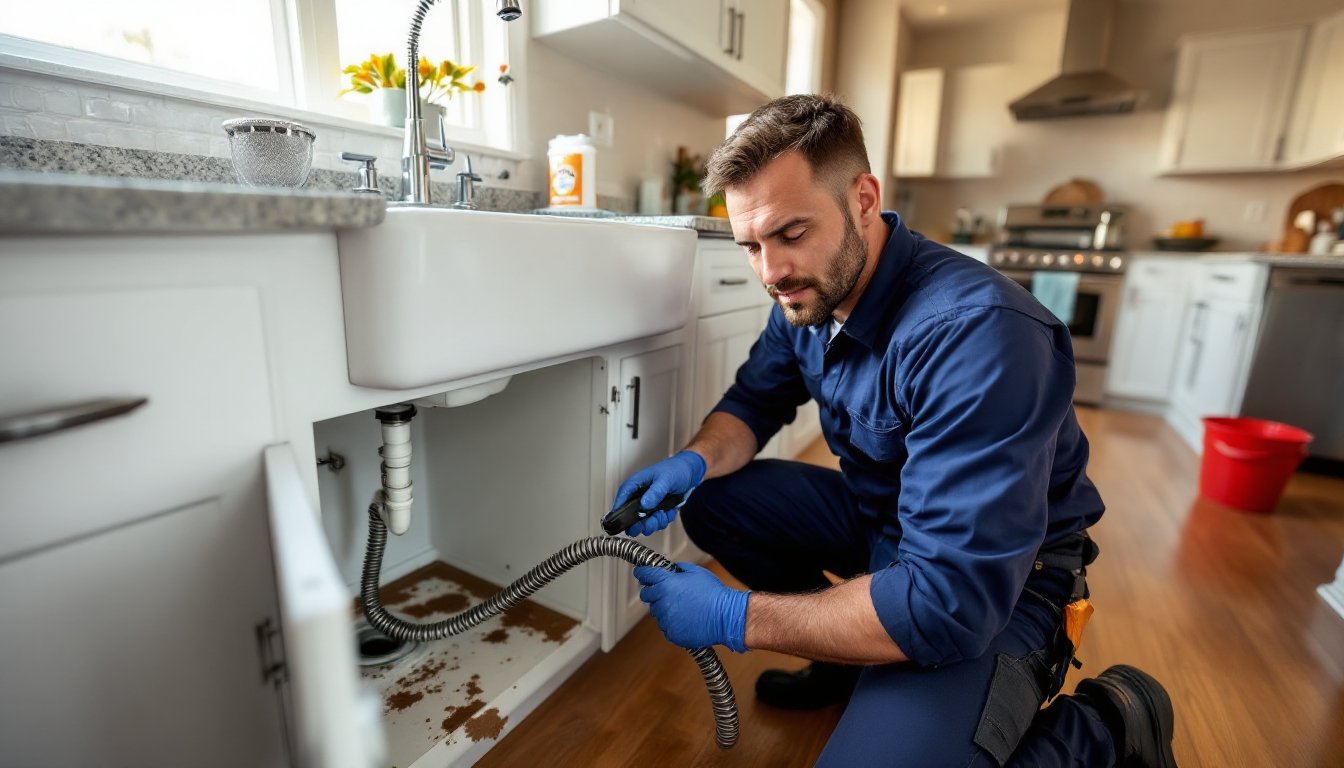
Columbus homeowners deal with drain issues year-round, from seasonal tree root intrusions to everyday buildup from hard water and cooking grease. A slow drain might seem minor, but left unchecked it can escalate into backed-up sinks, foul odors, or even water damage. Whether you’re tackling a stubborn kitchen clog or maintaining your home’s plumbing system, understanding drain cleaning methods, and knowing when to DIY versus when to call a pro, saves time, money, and frustration. This guide walks through the most common drain problems in Columbus, effective cleaning techniques you can handle yourself, and the warning signs that it’s time to bring in a professional.
Table of Contents
ToggleKey Takeaways
- Columbus drain cleaning requires understanding local hard water conditions—mineral deposits combine with grease and debris to slow drains, making regular maintenance essential to prevent costly damage.
- DIY methods like hot water flushes, plungers, and hand augers work for minor clogs, but avoid chemical drain cleaners that can damage older pipes and create toxic fumes.
- Call a professional Columbus drain cleaning service if multiple fixtures back up simultaneously, as this signals a main sewer line clog that requires sewer cameras and motorized equipment.
- Preventive maintenance—including drain screens, hot water flushes, and avoiding grease buildup—prevents 90% of common clogs and extends your plumbing system’s lifespan.
- Tree root intrusion is a major problem in older Columbus homes; keep fast-growing trees at least 10 feet from sewer lines and consider annual hydro-jetting to prevent root damage.
Why Drain Cleaning Matters for Columbus Homeowners
Columbus sits in an area with moderately hard water, averaging 120-180 ppm total hardness depending on your neighborhood’s water source. Over time, mineral deposits combine with soap scum, hair, grease, and other debris to narrow drain openings and slow water flow.
Neglected drains don’t just inconvenience you with standing water. They create conditions for mold growth, attract drain flies, and can corrode older cast iron or galvanized steel pipes from the inside out. If a clog forms deep in the main sewer line, often caused by tree roots seeking moisture, sewage can back up into your home through floor drains or the lowest fixtures.
Regular drain maintenance extends the life of your plumbing system and helps you catch small issues before they require costly repairs or emergency service calls. Most plumbers recommend annual inspections for homes older than 20 years, especially if you have mature trees near your sewer lateral.
Common Drain Problems in Columbus Homes
Kitchen sink clogs top the list. Grease, coffee grounds, and food particles accumulate in the trap and horizontal drain runs. Even with a garbage disposal, fibrous vegetables and starchy foods can form stubborn blockages.
Bathroom drain slowdowns usually stem from hair, soap buildup, and toothpaste residue. Pop-up stoppers in sinks and tub drains catch debris, making them easy to remove and clean, but many homeowners forget this simple step.
Toilet backups often signal a deeper issue. If one toilet drains slowly but others work fine, the clog is likely in that fixture’s trap or the 3-inch drain line serving it. If all your toilets gurgle or back up simultaneously, the blockage is in the main sewer line, a job for a pro with a sewer camera and heavy-duty auger.
Basement floor drain issues are common in older Columbus homes built before the 1980s. Sediment, laundry lint, and dried-out traps (which allow sewer gas to enter the home) cause problems. These drains connect directly to the main sewer line, so clogs here can indicate a larger issue.
Tree root intrusion affects homes with clay or Orangeburg sewer pipes, especially those with silver maples, willows, or poplars in the yard. Roots infiltrate through joints and cracks, forming dense mats that catch toilet paper and waste.
DIY Drain Cleaning Methods That Actually Work
Natural Drain Cleaning Solutions
For routine maintenance or minor slowdowns, start with the least invasive methods. Hot water flushes work surprisingly well for kitchen drains with grease buildup, boil a full kettle (about 2 quarts) and pour it down the drain in stages, letting it work for 30 seconds between pours. This melts grease so it can flow through the pipes. Don’t use boiling water on PVC drain lines older than 15 years or if you have porcelain fixtures directly above the drain: extreme heat can loosen old solvent-weld joints or crack porcelain.
The baking soda and vinegar method gets a lot of hype but has limited effectiveness. Pour 1/2 cup baking soda down the drain, follow with 1/2 cup white vinegar, cover the drain, and wait 15 minutes. The fizzing reaction can dislodge light organic buildup, but it won’t touch hair clogs or anything more than an inch past the drain opening. For regular plumbing maintenance, it’s a decent preventive measure but not a cure for existing clogs.
Enzyme-based drain cleaners work slowly, usually overnight, but they’re safe for all pipe types and septic systems. These products use bacteria cultures to digest organic matter. They’re best used monthly as preventive maintenance rather than emergency clog removal. Follow package directions carefully: most require several applications for heavy buildup.
Avoid chemical drain cleaners (sodium hydroxide or sulfuric acid formulas) if possible. They generate heat that can damage older pipes, create toxic fumes when mixed with other cleaners, and often push clogs deeper rather than dissolving them. If you do use one, wear chemical-resistant gloves and eye protection, ensure good ventilation, and never plunge a drain after adding chemicals, you risk splashing caustic liquid.
Mechanical Tools for Stubborn Clogs
A plunger is your first mechanical tool. For sinks, use a cup plunger (flat-bottomed) rather than a flange plunger (designed for toilets). Block the overflow opening with a wet rag to create proper suction. Fill the sink with 3-4 inches of water, place the plunger over the drain, and use short, forceful thrusts, 20 to 30 repetitions. You’re trying to create pressure waves that dislodge the clog, not just push water.
Hand augers (also called drain snakes) handle clogs 15-25 feet into the drain line. A basic 25-foot cable auger costs $15-30 and works for most bathroom sink and tub drains. Remove the pop-up stopper or strainer, feed the cable down the drain while cranking the handle clockwise, and push through resistance until you feel the clog break up. Pull the cable out slowly, cleaning off debris as you go. Wear rubber gloves, the gunk you pull out is unpleasant.
For toilet clogs, a closet auger (also called a toilet auger) has a protective rubber sleeve that won’t scratch porcelain and a shorter, kinked cable designed to navigate the toilet’s internal trap. These cost $20-40 and are worth owning if you have older low-flow toilets that clog frequently.
Zip-it tools are disposable plastic strips with barbed edges that grab hair. They work well for bathroom sink and shower drains with pop-up assemblies. Insert the tool, twist, and pull, you’ll often extract a surprising amount of hair and soap scum. At $2-5 for a multi-pack, they’re cheap insurance against calling a plumber for a simple hair clog.
Many home improvement tutorials recommend power augers (drum augers or sectional cables) for DIY use, but these require practice. A 50-foot power auger can clear main line clogs, but it can also puncture old pipes or get stuck if you’re inexperienced. If you need more than 25 feet of cable, it’s often smarter to rent a machine with instruction or hire a pro.
When to Call a Professional Drain Cleaning Service in Columbus
Some situations require professional equipment and expertise. Call a licensed plumber if:
-
Multiple fixtures back up at once. This indicates a main sewer line clog, usually 50-100 feet from the house where the lateral meets the city main. Pros use sewer cameras to locate the blockage and motorized augers or hydro-jetting equipment to clear it. Costs typically range from $125 to $450 for standard clogs: tree root removal can push this to $900 or more depending on pipe condition.
-
You’ve tried a hand auger without success. If you can’t break through a clog with a 25-foot cable, you’re dealing with something farther in the system, possibly a collapsed pipe or severe root intrusion.
-
Water backs up into other fixtures. When you flush a toilet and water appears in the bathtub, or running the washing machine causes a floor drain to overflow, you have a venting problem or main line obstruction. This isn’t a DIY repair.
-
Recurring clogs in the same drain. A clog that returns every few weeks usually signals a structural issue: bellied pipe (sagging section that traps debris), pipe corrosion, or improper slope. A camera inspection can diagnose the cause.
-
Sewage odor or wet spots in the yard. These are signs of a broken sewer line. Some municipalities require licensed contractors to perform sewer line repairs, and you’ll likely need permits.
Choose a plumber wisely. Verify they’re licensed (Ohio requires a plumbing contractor license for drain cleaning that involves cutting or replacing pipes), check reviews on multiple platforms, and get quotes from at least two services. Legitimate companies provide upfront pricing and explain the problem before starting work. For cost comparisons and local averages, HomeAdvisor offers useful benchmarks, though actual prices vary by job complexity and time of day (emergency weekend calls cost more).
Preventive Maintenance Tips to Keep Your Drains Clear
Install drain screens in all sinks and tubs. Stainless steel mesh screens catch hair and large debris before they enter the drain. Clean them weekly, it takes 30 seconds and prevents 90% of common bathroom clogs.
Run hot water after every sink use. A 30-second hot water flush (especially in kitchen sinks) keeps grease and soap from solidifying in the trap and drain line.
Never pour grease down the drain. Let cooking fats cool and solidify, then scrape them into the trash. Even with hot water and dish soap, grease coats pipe walls and accumulates over time.
Flush infrequently used drains monthly. Basement floor drains, guest bathroom sinks, and utility sinks can develop dried-out traps that allow sewer gas into the home. Pour a gallon of water down these drains once a month to maintain the trap seal.
Trim trees near sewer lines. If you have clay or cast iron sewer pipes (common in Columbus homes built before 1980), keep fast-growing trees at least 10 feet from the sewer lateral. Roots follow moisture and can infiltrate pipes within 5-7 years of tree maturity.
Consider annual professional cleaning. For older homes (50+ years) or properties with large trees, an annual hydro-jetting service can prevent major clogs. Hydro-jetting uses high-pressure water (3,000-4,000 psi) to scour pipe walls clean of buildup, roots, and scale. It costs $300-600 but extends pipe life significantly.
Know your cleanout locations. Most homes have a cleanout, a capped access point on the main drain line, usually in the basement, crawlspace, or outside near the foundation. Locate yours now, before you need it in an emergency. If your home lacks a cleanout and was built before 1990, consider having one installed ($200-400). It gives plumbers direct access to the main line without removing toilets.
Avoid flushing anything except toilet paper. Even products labeled “flushable” (wipes, feminine hygiene products, cotton swabs) don’t break down quickly enough and commonly cause clogs in Columbus’s sewer system. The city’s wastewater treatment facilities remove tons of these items annually from pump stations.


