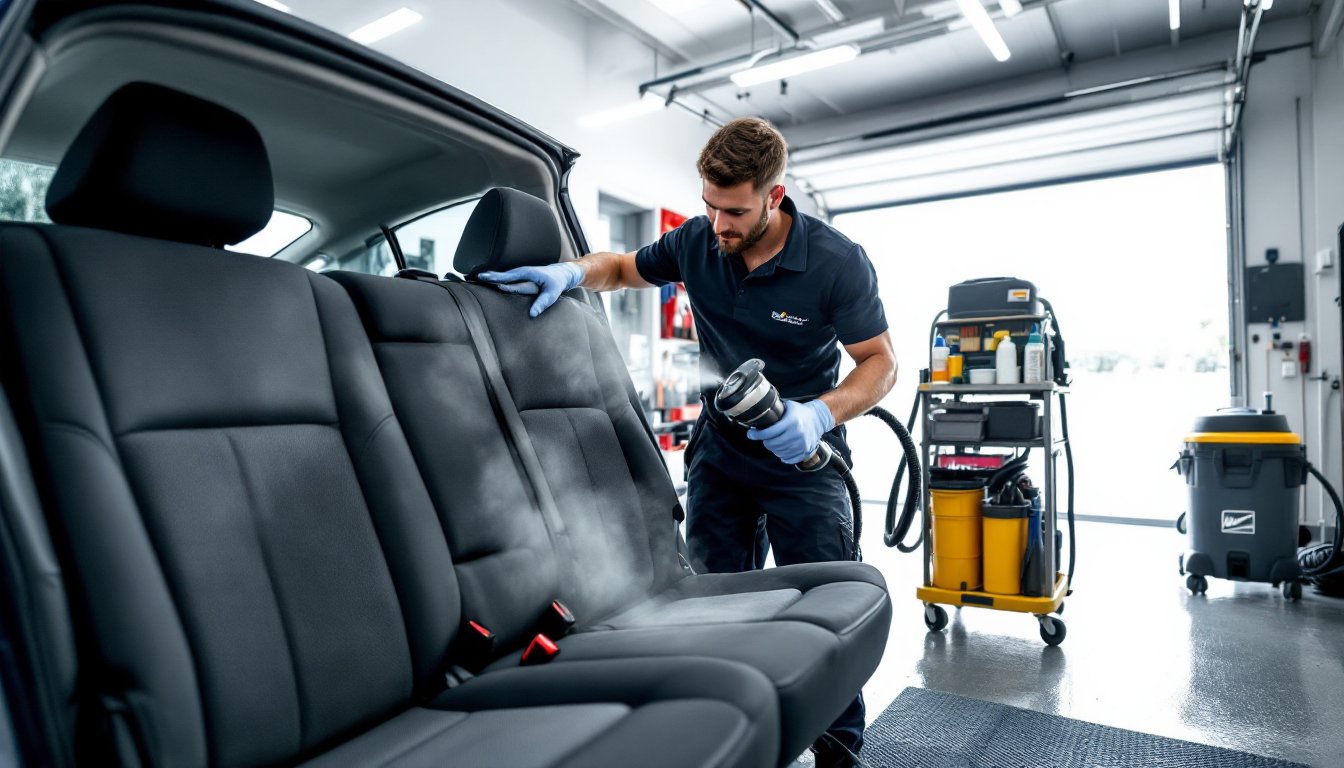
Your car’s interior is a magnet for grime. Fast-food wrappers, mud from hiking boots, pet hair clinging to upholstery, and a film of dust coating every surface, it all adds up. A quick vacuum and spray-down at the self-serve car wash? That barely scratches the surface. A proper deep clean goes far beyond what most people do on a Saturday afternoon. It’s the difference between “presentable” and genuinely clean, the kind where you’d confidently pick up your in-laws from the airport. This guide breaks down what professional deep cleaning car services actually involve, when to DIY versus calling in the pros, and how to keep your vehicle looking sharp long after the detail is done.
Table of Contents
ToggleKey Takeaways
- A deep cleaning car service is a comprehensive multi-step process that removes embedded dirt, sanitizes surfaces, and restores both interior and exterior, typically taking three to eight hours depending on vehicle condition.
- Professional detailers use specialized equipment like steam cleaners, hot water extractors, and dual-action polishers along with pH-balanced products to address what regular washing misses—mold in floor mats, bacteria in vents, and contaminants damaging paint and trim.
- Car interiors harbor more bacteria per square inch than a household toilet seat; deep cleaning significantly improves cabin air quality by removing allergens, odors, and microbial growth, especially important for families with kids and pets.
- DIY deep cleaning is cost-effective ($50–$150 for materials versus $150–$500+ for professional service) and works for routine maintenance, but professional service is essential for paint correction, heavy staining, or odor issues requiring specialized equipment.
- Maintaining your car after a deep cleaning requires weekly habits like vacuuming high-traffic areas, immediate spill treatment, regular washing every two weeks, and reapplying wax every three to six months to preserve the detail investment.
- A well-maintained deep cleaned interior can add hundreds to thousands of dollars to your vehicle’s resale value while preventing costly repairs from UV damage, road salt, and brake dust accumulation.
What Is a Deep Cleaning Car Service?
A deep cleaning car service is a thorough, multi-step process that cleans, sanitizes, and restores both the interior and exterior of a vehicle. Unlike a standard car wash or quick interior vacuum, deep cleaning targets embedded dirt, stains, odors, and contaminants that regular maintenance misses.
Professional detailers use specialized tools, steam cleaners, extractors, polishers, and microfiber applicators, along with pH-balanced cleaners, degreasers, and protectants designed for automotive surfaces. The goal isn’t just aesthetics: it’s about preserving materials (leather, fabric, vinyl, clear coat) and improving resale value.
Most services break into two major categories: interior deep cleaning (seats, carpets, dashboard, vents, door jambs) and exterior detailing (paint correction, waxing, trim restoration). Some packages include engine bay cleaning, headlight restoration, or ceramic coating application. Expect a full deep clean to take anywhere from three to eight hours depending on vehicle size and condition.
Why Your Car Needs a Deep Clean (Beyond Regular Washing)
Regular washing removes surface dirt, but it doesn’t address what’s lurking beneath. Floor mats trap moisture, which breeds mold. HVAC vents accumulate dust, pollen, and bacteria, similar issues tackled by air duct cleaning services in homes. Upholstery absorbs spills, sweat, and body oils, creating the perfect environment for odor-causing bacteria.
Deep cleaning also protects your investment. UV damage, road salt, brake dust, and tree sap slowly degrade paint, trim, and interior surfaces. Left unchecked, these contaminants cause permanent staining, cracking, and fading. A yearly or biannual deep clean addresses these issues before they become costly repairs.
Health is another factor. According to research on vehicle interiors, the average car interior harbors more bacteria per square inch than a typical household toilet seat. If you have kids, pets, or allergies, a deep clean can significantly improve cabin air quality by removing allergens and microbial growth.
Finally, there’s resale value. A well-maintained, odor-free interior can add hundreds to thousands of dollars to a private-party sale. Buyers notice the details, clean door jambs, spotless upholstery, and a glossy exterior signal care and attention.
What’s Included in a Professional Deep Cleaning Car Service
Interior Deep Cleaning Process
Interior deep cleaning starts with vacuuming and extraction. Every crevice, seat rails, cup holders, door pockets, and under the seats, gets vacuumed using crevice tools and soft-bristle brushes. Carpets and fabric seats are treated with a hot water extractor (similar to a carpet cleaner), which injects cleaning solution deep into fibers and extracts dirt, stains, and moisture.
Leather seats require a different approach. Detailers use pH-neutral leather cleaners and conditioners to remove grime without drying out the material. Cracks and creases get special attention, as dirt buildup here accelerates wear. Vinyl and plastic surfaces (dashboard, door panels, center console) are cleaned with all-purpose cleaners, then treated with UV protectants to prevent fading and cracking.
Vent cleaning is often overlooked but critical. Compressed air or specialized brushes remove dust and debris from HVAC vents, improving airflow and reducing musty odors. Some services include ozone treatment or steam sanitization to kill bacteria and neutralize stubborn smells (smoke, pets, mildew).
Windows and mirrors get cleaned inside and out with ammonia-free glass cleaners to avoid streaking and film buildup. Door jambs, trunk areas, and cargo compartments are wiped down and vacuumed. Safety note: If using steam cleaners or extractors, ensure the cabin is fully dried to prevent mold growth.
Exterior Deep Cleaning and Detailing
Exterior detailing begins with a two-bucket hand wash using automotive soap (never dish soap, which strips wax). Wheels and wheel wells are scrubbed with dedicated brushes and degreasers to remove brake dust and road grime. Tires are dressed with silicone-based protectants for a clean, non-greasy finish.
The paint undergoes clay bar treatment to remove bonded contaminants (tar, sap, industrial fallout) that washing alone won’t lift. This step is essential before polishing or waxing. Next comes paint correction, using a dual-action polisher with cutting compounds to remove swirl marks, light scratches, and oxidation. This step requires skill: improper technique can burn through clear coat.
After correction, a coat of wax or sealant is applied for protection and shine. Ceramic coatings (like those offered in some premium packages) provide longer-lasting protection, up to two to five years, but come at a higher price point and require cured application conditions.
Trim restoration involves treating faded black plastic and rubber with trim restorers. Headlights often yellow over time: detailers use sanding kits (starting at 1000-grit wet/dry sandpaper, progressing to 3000-grit) followed by UV sealant to restore clarity. Chrome and glass are polished separately for a streak-free finish.
Many professional cleaning services apply similar attention to detail when tackling home projects, ensuring every surface is addressed with the right technique and product.
DIY Deep Cleaning vs. Professional Service: Which Should You Choose?
DIY deep cleaning is doable if you have time, the right tools, and realistic expectations. You’ll need a wet/dry vacuum or extractor (rentable at hardware stores for around $30–50/day), microfiber towels, brushes, automotive cleaners, a dual-action polisher (if tackling paint correction), and a shaded workspace. Budget six to ten hours for a thorough job on a midsize sedan.
The upside? Cost savings. A full professional detail runs $150 to $500+ depending on vehicle size and package tier, while DIY materials cost $50 to $150 upfront (plus tool rental). You also control the process and can address specific problem areas at your own pace.
The downside? Professional detailers have commercial-grade equipment, hot water extractors with higher PSI, rotary polishers, and specialized chemicals not available at retail. They also have experience. Paint correction, for example, can easily go wrong: cutting through clear coat requires a respray, which costs $500 to $1,500 per panel.
When hiring pros makes sense:
- Heavy staining, odor, or pet damage requiring extraction and sanitization
- Paint defects needing correction (swirl marks, oxidation, scratches)
- Lack of time or proper workspace (garage, covered area)
- Vehicles with delicate materials (Alcantara, suede, high-gloss trim)
When DIY is appropriate:
- Routine maintenance cleaning (every few months)
- Light interior refresh (vacuum, wipe-down, glass cleaning)
- Exterior wash and wax (no paint correction needed)
- Budget constraints or simple satisfaction of doing it yourself
If you’re comfortable with home cleaning tasks like deep-cleaning carpets or scrubbing grout, you’ll likely handle basic car interior work. But if you’re unsure about polishing paint or using an extractor, it’s worth consulting a pro. Many nearby cleaning professionals also offer mobile detailing or can recommend reputable auto detailers.
For cost comparison, check trusted platforms like HomeAdvisor to see average pricing in your area. Regional labor rates and vehicle size significantly affect quotes.
How to Maintain Your Car After a Deep Clean
Maintenance is what keeps a deep clean from being a one-time event. Start with weekly habits: shake out floor mats, wipe down the dashboard and center console with a damp microfiber cloth, and vacuum high-traffic areas (driver’s seat, floor, trunk).
Address spills immediately. Blot (don’t rub) liquids with a clean cloth, then treat with an appropriate cleaner, upholstery cleaner for fabric, leather cleaner for hides. The longer a spill sits, the deeper it penetrates and the harder it is to remove.
Use seat covers and floor liners if you haul gear, pets, or kids regularly. Rubber or TPE all-weather liners are easier to clean than vacuuming carpet mats weekly. Washable seat covers protect upholstery from wear and stains.
Exterior maintenance means regular washing, every two weeks minimum, more often in winter (road salt) or if parked under trees (sap, bird droppings). Use the two-bucket method and dry with microfiber towels to avoid water spots. Reapply wax or sealant every three to six months, or follow the manufacturer’s schedule if you have a ceramic coating.
Park in shade or use a windshield sunshade to reduce UV damage to the dashboard and upholstery. Cabin air filters should be replaced every 12,000 to 15,000 miles to keep HVAC systems clean and odor-free.
If you budget for professional cleaning services at home, consider setting aside funds for an annual or biannual car detail. Preventative care costs far less than addressing neglect. Many detailers offer maintenance packages at reduced rates for returning customers.
Protip: Keep a small detailing kit in the trunk, microfiber towels, all-purpose cleaner, glass cleaner, and a handheld vacuum or lint roller. Quick cleanups prevent small messes from becoming big problems.
Consistent effort pays off. A car that’s maintained between deep cleans will look better, last longer, and command a higher resale value. Plus, there’s something satisfying about sliding into a spotless cabin every morning, even if you’re just running to the hardware store for drywall screws.