
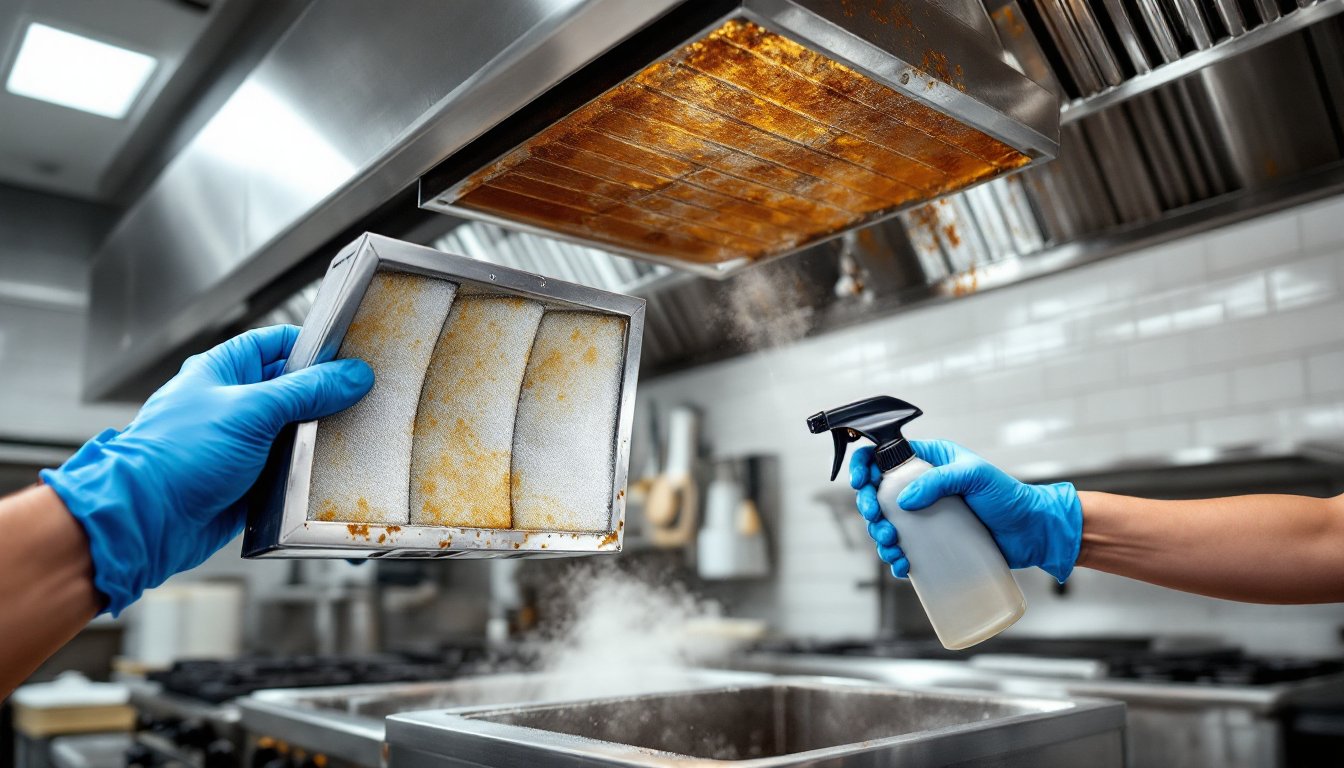
Commercial range hoods take a beating, especially in busy kitchens where grease vaporizes faster than you can say “ventilation.” Left unchecked, that buildup doesn’t just look bad. It reduces airflow, increases fire risk, and can violate health code requirements if you’re running a food-service operation. Even high-output home kitchens with commercial-grade hoods need the same diligent maintenance. This guide walks through the full process: what you’ll need, how to tackle each component safely, and how to keep things running clean between deep sessions. No fluff, just a working system that keeps your hood doing its job.
Table of Contents
ToggleKey Takeaways
- Commercial range hood cleaning removes grease buildup to maintain airflow, reduce fire hazard, and ensure compliance with health codes and NFPA 96 standards.
- Gather essential degreasing supplies, safety gear, and tools before starting—including commercial degreaser, brushes, microfiber cloths, gloves, and goggles—to avoid interruptions and ensure safe handling.
- Clean filters regularly by soaking them in hot degreaser solution for 15–30 minutes and scrubbing thoroughly, since they are the first line of defense against grease accumulation.
- Inspect and degrease the exhaust fan blades and internal components carefully, avoiding fire suppression systems and motor wiring while working with brushes and appropriate degreaser.
- Establish daily, weekly, and monthly maintenance habits—such as wiping the hood exterior, soaking filters, and inspecting ductwork—to prevent heavy buildup between deep cleaning sessions.
- Schedule professional hood cleaning annually with licensed contractors to inspect ductwork, ensure full compliance, and receive certificates recognized by insurers and health inspectors.
Why Regular Commercial Range Hood Cleaning Matters
Grease accumulation in a commercial hood system is more than cosmetic. When grease coats the filters, fan blades, and ductwork, airflow drops. That means smoke, steam, and airborne particles linger in the kitchen instead of venting outside. Poor ventilation stresses HVAC systems and makes the workspace uncomfortable.
Fire hazard is the bigger concern. Grease is fuel. A flash fire on the cooktop can ignite residue inside the hood or ductwork, turning a small flare-up into a structure fire. The National Fire Protection Association (NFPA) 96 standard requires routine cleaning of commercial kitchen exhaust systems, intervals depend on cooking volume and fuel type, ranging from monthly to quarterly. Even if local codes don’t mandate it, insurers and health inspectors do pay attention.
Finally, a clean hood lasts longer. Grease corrodes stainless steel over time, and clogged fans run hot, shortening motor life. Regular maintenance protects your investment and keeps the system compliant.
Essential Tools and Supplies for Deep Cleaning Your Range Hood
Before starting, gather everything. Stopping mid-job to hunt for degreaser wastes time and lets grease harden again.
Cleaning agents:
- Commercial degreaser formulated for food-service equipment (alkaline cleaners work well: avoid caustic sodium hydroxide unless you’re experienced, it etches aluminum and requires PPE)
- Dish soap (heavy-duty, not hand soap)
- Baking soda and white vinegar for lighter buildup or eco-friendly cleaning
- Hot water (the hotter, the better, grease liquefies above 120°F)
Tools and materials:
- Stiff-bristle brushes (nylon or brass: steel can scratch stainless)
- Scrapers (plastic putty knives work for stubborn deposits)
- Microfiber cloths and sponges
- Bucket or large sink/tub for soaking filters
- Garden hose or pressure washer (low setting, optional, for outdoor filter cleaning)
- Step ladder or work platform if the hood is ceiling-height
Safety gear (non-negotiable):
- Chemical-resistant gloves (nitrile or neoprene)
- Safety goggles (degreaser splashes burn)
- Long sleeves to protect skin
- Respirator or N95 mask if working with strong degreasers in enclosed spaces
Always check the degreaser’s Safety Data Sheet (SDS) for PPE requirements and ventilation needs. Work with the hood fan off and the cooktop cold.
Step-by-Step Guide to Cleaning Your Commercial Range Hood
Cleaning the Exterior Surfaces and Hood Body
- Power down the system. Flip the breaker or unplug the hood. You’ll be working near electrical components and water, don’t skip this.
- Wipe down the exterior. Use a damp microfiber cloth with mild dish soap to remove surface grease and dust from the stainless steel or painted surfaces. Wipe with the grain on stainless to avoid streaking.
- Apply degreaser to heavy buildup. Spray or brush commercial degreaser onto visibly greasy spots. Let it dwell for the time specified on the label, usually 5–10 minutes. Grease will start to emulsify and drip, so place towels or a drip pan underneath.
- Scrub and rinse. Use a stiff brush or sponge to work the degreaser into crevices, seams, and around fasteners. Wipe clean with hot water and a clean cloth. Repeat if needed.
- Dry and polish. Buff stainless steel with a dry microfiber cloth to prevent water spots.
Don’t forget the underside of the hood canopy, it catches the most splatter. If your hood has a grease trough or drip cup, empty and clean it now.
How to Clean and Degrease Range Hood Filters
Filters are the frontline defense. Most commercial hoods use baffle filters (stainless steel with angled baffles that trap grease) or mesh filters. Both need regular degreasing.
- Remove the filters. Slide or unlatch them from the hood. They’re heavy when saturated, use both hands.
- Pre-soak in hot degreaser solution. Fill a large sink, tub, or utility basin with very hot water and add commercial degreaser per the label directions. Submerge the filters and let them soak for 15–30 minutes. The proper soaking technique loosens baked-on residue before scrubbing.
- Scrub each baffle or mesh section. Use a stiff brush to work degreaser into every crevice. For stubborn spots, make a paste of baking soda and water and scrub with a nylon brush.
- Rinse thoroughly. Spray down with a hose or rinse under running hot water until no suds remain. Leftover degreaser can smoke when the hood heats up again.
- Air-dry completely. Lean filters against a wall or hang them. Don’t reinstall wet filters, moisture plus heat equals corrosion.
Alternative: Some pros run baffle filters through a commercial dishwasher on a heavy cycle (no dishes, obviously). It works if your dishwasher can handle the grease load, but hand-scrubbing is more thorough.
Cleaning the Fan and Internal Components
This is where things get technical. The exhaust fan (blower) sits inside the ductwork or at the top of the hood, depending on your system design. Grease buildup on fan blades reduces CFM (cubic feet per minute) airflow and can cause the motor to overheat.
Safety first: If your hood has an integral fire suppression system (Ansul or similar), do not disturb nozzles, linkages, or fusible links. That work requires a licensed fire protection contractor.
- Access the blower. Depending on the hood model, you may need to remove an access panel, unscrew a fan housing, or climb onto the roof for an upblast fan. Consult the manufacturer’s service manual if available.
- Inspect the fan blades and housing. Grease collects on the leading edges of blades and inside the scroll (the curved housing around the fan). If buildup is thick, it may need scraping before degreasing.
- Apply degreaser carefully. Spray or brush degreaser onto the blades and housing. Avoid soaking the motor or wiring. Let it dwell, then scrub with a brush.
- Wipe and rinse. Use damp cloths to remove dissolved grease. If the fan is accessible outdoors, a gentle rinse with a garden hose works, just keep water away from the motor and electrical connections.
- Check the motor and belt (if applicable). Wipe down the motor housing (exterior only) and inspect the drive belt for grease saturation or cracking. A slipping belt reduces fan speed. Replace if worn.
- Reassemble and test. Once everything is dry, reinstall panels and restore power. Run the fan and listen for unusual noise or vibration, both indicate imbalance or a loose component.
For ductwork cleaning beyond the fan, hire a certified hood cleaning service. Most commercial duct cleaning professionals use pressure washers and scrapers to remove grease from vertical and horizontal duct runs, it’s messy, requires containment, and often involves roof access.
Maintaining Your Commercial Range Hood Between Deep Cleans
Daily and weekly habits prevent the grease avalanche that makes deep cleaning a nightmare.
Daily tasks:
- Wipe down the hood exterior and visible grease buildup at the end of each shift
- Empty grease cups or troughs
- Run the fan for 5–10 minutes after cooking stops to clear residual vapor
Weekly tasks:
- Pull and soak filters in hot soapy water (even a quick 15-minute soak helps)
- Inspect the underside of the hood canopy and wipe down as needed
Monthly checks:
- Deep-clean filters using the degreaser soak method
- Check fan operation, listen for grinding, squealing, or reduced airflow
- Inspect ductwork access points for grease drips (sign of internal buildup)
Set reminders. In high-volume kitchens, especially those using solid fuel (charcoal, wood), monthly deep cleans may not be enough. NFPA 96 recommends quarterly inspections for moderate-volume kitchens and monthly for high-volume or solid-fuel operations. Even in a home kitchen with a commercial-style hood, quarterly deep cleans keep things safe and efficient.
Consider professional service annually. Licensed hood cleaners inspect ductwork, apply food-safe degreasers, and issue compliance certificates that insurers and inspectors recognize. It’s not cheap, but it’s cheaper than a fire or a failed inspection.
Finally, train anyone using the kitchen. A well-organized kitchen workspace includes cleaning protocols, if everyone knows the routine, the hood stays cleaner longer.


