
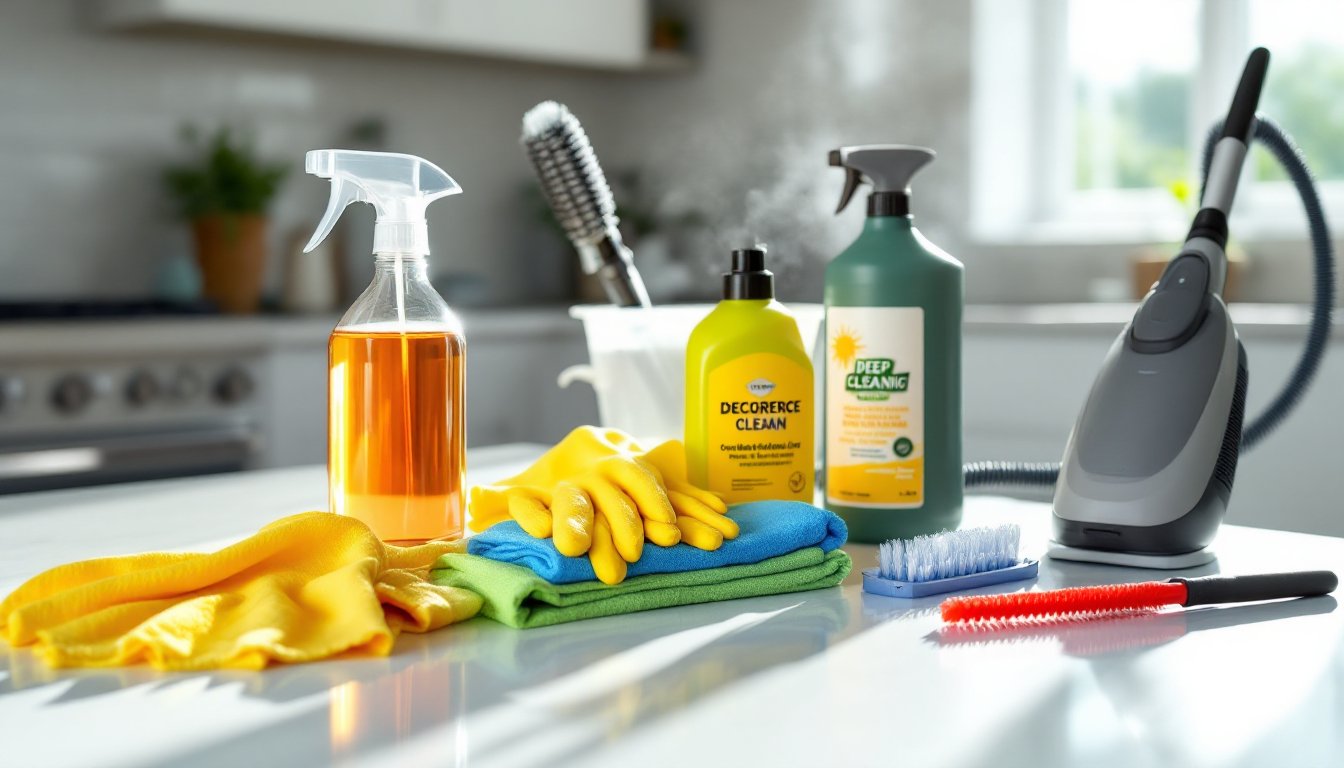
Deep cleaning isn’t just moving clutter around or running a vacuum through high-traffic areas. It’s the twice-a-year (or when-you-finally-notice-the-baseboards) job that addresses grime buildup, forgotten corners, and surfaces that regular maintenance misses. Whether you’re prepping for a seasonal refresh or dealing with the aftermath of a renovation, having the right supplies makes the difference between spending all weekend scrubbing and actually finishing the job. This guide covers the essential gear, specialty tools, and products you’ll need to deep clean every room effectively, without wasting money on gimmicks that’ll gather dust under the sink.
Table of Contents
ToggleKey Takeaways
- Deep cleaning supplies differ fundamentally from regular cleaning products because they target caked-on grime, hard water deposits, and buildup in areas weekly maintenance skips, requiring stronger agents and specialized tools.
- Essential deep cleaning supplies include powerful all-purpose cleaners, degreasers, disinfectants, and pH-matched floor cleaners paired with stiff-bristle scrub brushes, microfiber cloths, and squeegees for streak-free results.
- Specialty tools like drill brush attachments, extendable dusters, detailing brushes, and telescoping poles dramatically reduce manual effort and reach tight spaces like ceiling fans, baseboards, and window tracks that regular cleaning misses.
- Match deep cleaning products to your home’s surfaces and health sensitivities; concentrated cleaners offer better value than ready-to-spray bottles, while eco-certified formulas perform as effectively without harsh chemicals or VOCs.
- Proper safety gear—nitrile gloves, safety goggles, and respirator masks—is non-negotiable when using strong degreasers, bleach, or ammonia-based deep cleaning supplies, especially in enclosed spaces.
- Invest in durable, ergonomic tools over cheap alternatives, as quality brushes and handles prevent hand fatigue and perform reliably across multiple deep cleaning projects.
What Makes Deep Cleaning Different from Regular Cleaning?
Regular cleaning handles surface-level maintenance: wiping counters, mopping visible spills, vacuuming traffic paths. Deep cleaning targets the buildup that accumulates over weeks or months in places you don’t touch during your weekly routine.
This includes scrubbing grout lines, washing baseboards, degreasing range hood filters, cleaning behind appliances, and removing hard water deposits from fixtures. It’s more physically demanding and time-intensive, often requiring stronger cleaning agents, stiffer brushes, and tools designed to reach tight spaces.
The frequency depends on your home’s use and environment. High-traffic households with kids or pets might deep clean quarterly. Others tackle it seasonally or before major events. Either way, the supplies you need differ from your everyday spray bottle and microfiber cloth. You’re dealing with caked-on grime, not fresh fingerprints.
Deep cleaning also involves moving furniture, taking down curtains, and addressing areas like ceiling fans, light fixtures, and window tracks that weekly maintenance skips entirely. It’s restoration work, not upkeep.
Must-Have Deep Cleaning Supplies for Every Room
Powerful Cleaners and Solutions
Start with an all-purpose cleaner that cuts grease and dissolves soap scum, look for formulas rated for multiple surfaces, including sealed stone and tile. For kitchens, a dedicated degreaser handles range hoods, backsplashes, and cabinet faces where cooking residue builds up. Avoid aerosol degreasers in poorly ventilated spaces: liquid concentrates you dilute yourself offer better control and coverage.
Disinfectants matter for bathrooms and high-touch surfaces. Choose EPA-registered products with specific contact times listed on the label (usually 3–10 minutes). Don’t assume spraying and immediately wiping kills anything. For tough bathroom stains, an acidic cleaner (citric or phosphoric acid-based) removes hard water deposits, rust stains, and mineral buildup on glass shower doors and faucets. Never mix acidic cleaners with bleach, the chemical reaction releases toxic fumes.
Bleach or oxygen bleach (sodium percarbonate) whitens grout and sanitizes porous surfaces, but test on inconspicuous areas first: some natural stone and colored grout can discolor. Oxygen bleach is gentler and doesn’t produce harsh fumes, making it a safer choice for enclosed spaces.
For floors, match the cleaner to the material: pH-neutral formulas for hardwood and laminate, alkaline degreasers for tile and vinyl. A floor cleaning machine can speed up large areas, but traditional mopping works fine if you change the water frequently to avoid spreading dirty residue.
Essential Tools and Equipment
A stiff-bristle scrub brush (not wire, which scratches) tackles grout, textured tile, and outdoor surfaces. Pair it with a grout brush, narrower, with angled bristles, for tile joints. For vertical surfaces like shower walls, a long-handled scrub brush saves your back and knees.
Microfiber cloths in multiple colors prevent cross-contamination (one color for kitchens, another for bathrooms). They’re reusable, machine-washable, and more effective than cotton rags at trapping dust and grime. Stock at least a dozen: deep cleaning goes through them fast.
A bucket with a wringer or two buckets (one for clean solution, one for dirty water) keeps your mop water from turning into muddy soup halfway through the job. For windows and mirrors, a squeegee removes cleaner without streaks, far more effective than paper towels. Home remedies for window cleaning often suggest vinegar solutions, which pair well with a quality squeegee.
Pumice stones (for toilets) remove hard water rings without chemicals, but use them wet and only on porcelain, they’ll scratch fiberglass and acrylic. A steam cleaner (handheld or canister) sanitizes and loosens grime without chemicals, ideal for grout, upholstery, and sealed tile. They cost $50–$200 depending on capacity and attachments.
Don’t skip a shop vacuum or wet/dry vac if you’re cleaning basements, garages, or post-renovation dust. Standard vacuums clog quickly with fine particulates or damp debris.
Specialty Supplies for Hard-to-Reach Areas
Deep cleaning uncovers spots regular tools can’t touch. An extendable duster with a pivoting head reaches ceiling fans, crown molding, and the tops of cabinets. Microfiber or lambswool heads trap dust instead of flinging it into the air: feather dusters just redistribute particles.
For vents and narrow gaps, detailing brushes (like those sold for car interiors) clean HVAC registers, window tracks, and sliding door channels. A crevice tool attachment for your vacuum works, but brushes loosen debris first so the vacuum actually picks it up.
Drill brush attachments, stiff nylon or softer bristle sets that fit standard cordless drills, speed up scrubbing tile, tubs, and grout. They cut manual effort significantly but require steady pressure to avoid splatter. Wear safety goggles and gloves: spinning brushes can fling cleaner or particles.
For baseboards and tight corners, a baseboard cleaning tool (usually a foam or microfiber head on a handle) or a simple paint edger wrapped with a microfiber cloth works surprisingly well. Many efficient cleaning strategies recommend tackling baseboards with a damp cloth on a flat-edged tool to avoid back strain.
Pipe brushes or bottle brushes clean out sink overflows, garbage disposal splash guards, and narrow-necked containers. A grout saw or oscillating multi-tool removes deteriorated grout before resealing, though that’s borderline DIY territory, if you’re not comfortable with tile work, call a pro before you crack something.
For high dusting or cobweb removal in two-story spaces, a telescoping pole (12–24 feet) paired with a microfiber duster or brush attachment beats dragging a ladder around. Always work from top to bottom: dust and debris you knock loose will settle downward.
How to Choose the Right Deep Cleaning Products for Your Home
Match cleaners to your home’s surfaces and your tolerance for fumes. If you have kids, pets, or sensitivities, plant-based or fragrance-free formulas reduce exposure to harsh chemicals. Many products certified by EPA’s Safer Choice program perform as well as conventional cleaners without volatile organic compounds (VOCs).
Check the label for concentration and coverage. Concentrated cleaners you dilute yourself (like Simple Green or Zep concentrates) cost less per use than ready-to-spray bottles. A gallon of concentrate typically makes 10–20 gallons of working solution, depending on the task. For home remedies, vinegar and baking soda handle light duty, but they won’t cut heavy grease or disinfect, home remedies for bathroom cleaning work best as maintenance, not deep restoration.
For tools, prioritize durability over price. A $15 scrub brush that lasts five years beats a $5 one that sheds bristles after two uses. Look for ergonomic handles on brushes and mops, deep cleaning involves repetitive motion, and cheap grips cause hand fatigue or blisters.
Safety gear isn’t optional. Nitrile gloves protect skin from prolonged chemical exposure better than latex or vinyl. Safety goggles prevent splashes, especially when scrubbing overhead or using spray cleaners. If you’re using strong degreasers, bleach, or ammonia-based products, wear a respirator mask (N95 or better) in enclosed spaces: dust masks don’t filter chemical vapors.
For expert-tested product recommendations, Good Housekeeping’s cleaning product roundup provides data on effectiveness, coverage, and value across brands.
Read labels carefully. Some products require specific dwell times (how long they sit before wiping) to work effectively. Others can’t be used on certain materials, acidic cleaners etch marble, and abrasive powders scratch glass cooktops. When in doubt, test on an inconspicuous spot first.
Buy in bulk for recurring supplies like microfiber cloths, scrub pads, and trash bags. Big-box stores and janitorial suppliers offer better per-unit pricing than grocery aisles. Store concentrated cleaners in a cool, dry place away from kids and pets, many remain effective for 1–2 years if sealed properly.
Finally, don’t fall for gimmicks. Color-changing products, “miracle” pastes, or viral TikTok hacks often underperform compared to tried-and-true formulas. If a product claims to do everything, it probably does nothing particularly well. Specialized cleaners exist for a reason.
Conclusion
Deep cleaning requires more than good intentions, it takes the right supplies and a realistic plan. Stock your arsenal with powerful cleaners matched to each surface, durable tools that reach every corner, and proper safety gear. Whether you’re tackling a seasonal refresh or addressing years of neglect, the difference between frustration and progress comes down to preparation. Skip the fluff and focus on what works.


