
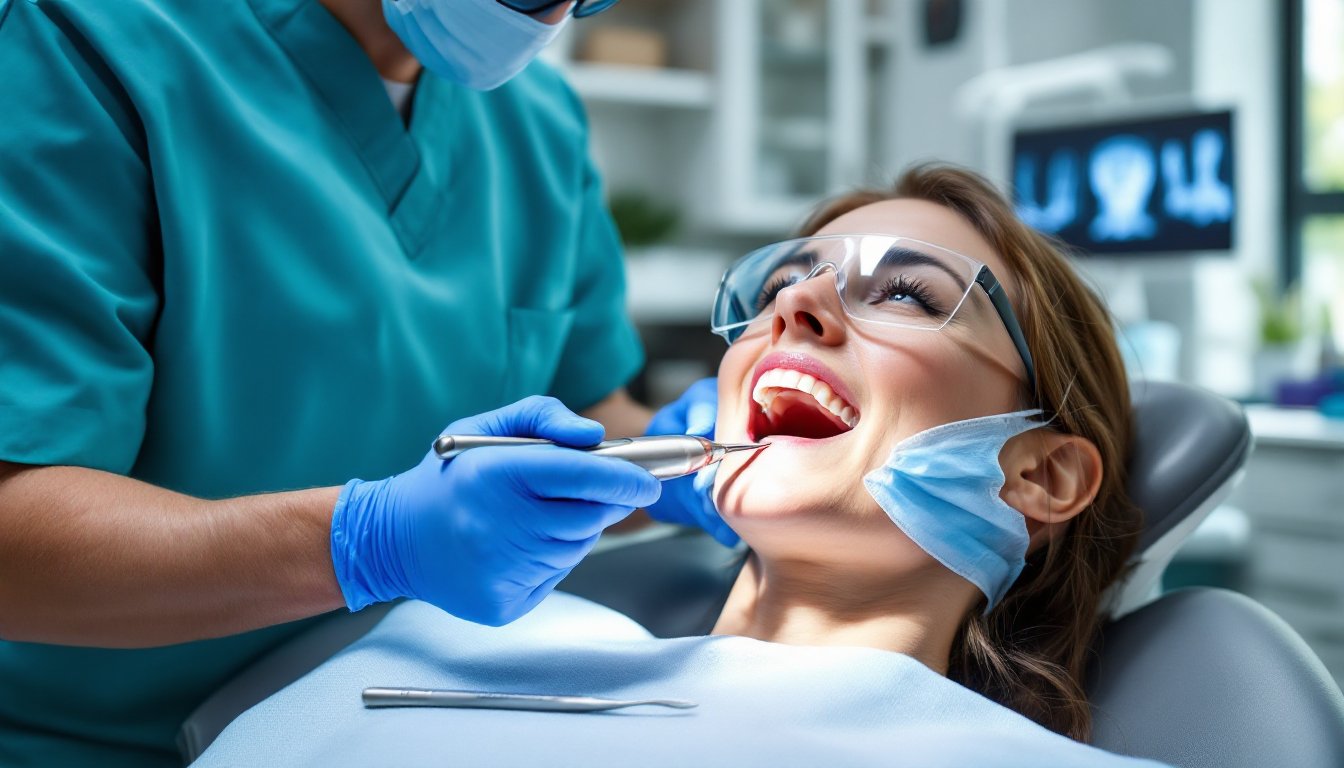
If you’ve received a dental treatment plan that includes codes D4341 or D4342, you might be wondering what you’re actually being billed for, and whether it’s really necessary. These codes represent scaling and root planing, commonly known as a deep cleaning, and they signal that your dentist has found early to moderate gum disease. Unlike a routine cleaning, deep cleaning is a therapeutic procedure that goes below the gumline to remove tartar and bacteria from the roots of your teeth. Understanding these codes helps homeowners budget for treatment, make informed insurance decisions, and know when it’s time to see a specialist versus handling prevention on your own.
Table of Contents
ToggleKey Takeaways
- Deep cleaning (codes D4341 and D4342) is a therapeutic procedure that removes tartar and bacteria below the gumline to treat gum disease, unlike routine cleanings that only address surface plaque.
- Dental code D4341 covers one to three teeth per quadrant while D4342 covers four or more teeth per quadrant, with most insurance plans covering 50–80% if medically necessary with documented pocket depths of 4mm or greater.
- Without insurance, a full-mouth deep cleaning typically costs $600–$1,400 depending on region and severity, so always request a predetermination from your insurance before proceeding.
- Consistent home care including twice-daily brushing at a 45-degree angle, daily flossing, and antimicrobial mouthwash can significantly reduce the risk of needing deep cleaning.
- If you notice persistent gum bleeding, swelling, or bad breath, seek professional treatment early rather than waiting, as early intervention prevents the need for invasive periodontal surgery or tooth extraction.
- When a dentist recommends deep cleaning, ask for periodontal charts and X-rays showing pocket depths, and don’t hesitate to get a second opinion if the recommendation seems aggressive.
What Is Deep Cleaning in Dental Terms?
A deep cleaning, or scaling and root planing (SRP), is a non-surgical periodontal procedure that treats gum disease by cleaning beneath the gumline. It’s not the same as a prophylaxis (code D1110), which is the standard cleaning you get during a routine checkup.
Deep cleaning involves two main steps: scaling, which removes plaque and calculus (tartar) from the tooth surface and below the gumline, and root planing, which smooths the tooth roots to help gums reattach and prevent bacteria from settling back in. Think of it like power-washing the foundation of your house versus just wiping down the siding, you’re addressing problems you can’t see but that affect structural integrity.
Dentists typically perform SRP under local anesthesia because the procedure can be uncomfortable. The goal is to eliminate bacterial colonies that cause inflammation, bleeding, and bone loss around your teeth. If left untreated, gum disease can progress to periodontitis, which may require surgery or even tooth extraction.
Understanding Dental Codes D4341 and D4342
Dental billing uses Current Dental Terminology (CDT) codes to categorize procedures. D4341 and D4342 both refer to scaling and root planing, but they differ by how much of your mouth is treated.
D4341 covers periodontal scaling and root planing for one to three teeth per quadrant. Your mouth is divided into four quadrants (upper right, upper left, lower right, lower left), and this code applies when only a few teeth in a given quadrant need treatment. It’s often used for localized gum disease or when a patient is addressing problem areas incrementally.
D4342 is for scaling and root planing involving four or more teeth per quadrant. This is the more common code for patients with generalized gum disease affecting most or all of their teeth. Many dentists treat two quadrants per visit (one side of the mouth), so you might see D4342 billed twice on separate dates.
Insurance companies recognize these codes as medically necessary when there’s documented evidence of periodontal disease, usually measured by pocket depths of 4mm or greater. Without that documentation, claims may be denied or downgraded to a routine cleaning.
When Do Dentists Recommend Deep Cleaning?
Your dentist will recommend deep cleaning based on clinical signs of gum disease, not just surface staining or bad breath. The primary diagnostic tool is a periodontal probing, where a small ruler-like instrument measures the depth of the pockets between your gums and teeth.
Healthy gums have pocket depths of 1–3mm. When pockets measure 4mm or deeper, it indicates gum inflammation and possible bone loss. At this stage, bacteria have migrated below the gumline where your toothbrush and floss can’t reach. Other warning signs include:
- Gums that bleed easily during brushing or flossing
- Persistent bad breath (halitosis) that doesn’t improve with oral hygiene
- Gums that appear red, swollen, or receding
- Loose or shifting teeth
- Visible tartar buildup along the gumline
Dentists also consider risk factors like smoking, diabetes, pregnancy, or a family history of gum disease. If you’re seeing a new dentist who recommends deep cleaning but your previous dentist never mentioned it, ask for a copy of your periodontal chart and X-rays. Pocket depths and bone levels don’t lie, and comparing records can clarify whether the recommendation is legitimate or aggressive upselling.
How Much Does Deep Cleaning Cost and What Does Insurance Cover?
Without insurance, deep cleaning typically costs $150–$350 per quadrant, meaning a full-mouth treatment (all four quadrants) can run $600–$1,400. Costs vary by region, the severity of disease, and whether you need local anesthesia or sedation. Urban areas and specialist periodontists generally charge more than general dentists in smaller towns.
Most dental insurance plans cover deep cleaning at 50–80% if it’s deemed medically necessary. But, there are common coverage limitations:
- Frequency limits: Many plans only cover SRP once every 24 months per quadrant or once per lifetime, depending on the policy.
- Waiting periods: If you just enrolled, periodontal coverage may not kick in for 6–12 months.
- Annual maximums: If your plan caps benefits at $1,500/year and you’ve already used $800 on fillings, your remaining coverage for deep cleaning is limited.
- Documentation requirements: Insurers may request periodontal charts, X-rays, or a narrative from your dentist proving that pocket depths meet their threshold (usually 4mm or more).
Before proceeding, ask your dentist’s office to submit a predetermination (also called a pre-authorization) to your insurance. This isn’t a guarantee of payment, but it gives you a clearer picture of your out-of-pocket costs. If you don’t have insurance, some offices offer payment plans or discount programs for uninsured patients.
What to Expect During a Deep Cleaning Procedure
Deep cleaning is usually split into two or more appointments to allow for local anesthesia and patient comfort. Many dentists treat two quadrants (one side of the mouth) per visit, spacing appointments a week or two apart.
Here’s what happens during a typical session:
- Anesthesia: The dentist or hygienist numbs the treatment area with a local anesthetic injection. Some offices offer topical numbing gel first to reduce the pinch.
- Scaling: Using ultrasonic scalers (which vibrate and spray water) and hand instruments, the provider removes plaque and calculus from tooth surfaces and below the gumline. You’ll hear high-pitched buzzing and feel vibrations, but no sharp pain if you’re properly numbed.
- Root Planing: The roots of your teeth are smoothed to eliminate rough spots where bacteria cling. This step encourages gum tissue to reattach to the tooth.
- Rinsing and Evaluation: Your mouth is rinsed, and the provider checks for any remaining deposits.
After the procedure, expect some gum tenderness and sensitivity to hot or cold for a few days. Your gums may bleed slightly when brushing. Avoid hard, crunchy, or spicy foods for 24–48 hours, and stick to a soft diet (think mashed potatoes, yogurt, scrambled eggs). Over-the-counter pain relievers like ibuprofen help manage discomfort.
Your dentist will schedule a follow-up appointment 4–6 weeks later to measure pocket depths again and assess healing. If pockets haven’t improved, they may refer you to a periodontist for more advanced treatment.
DIY Prevention Tips to Avoid Needing Deep Cleaning
The best way to avoid costly periodontal procedures is to prevent gum disease in the first place. While you can’t replace professional cleanings, consistent home care significantly reduces your risk.
Brushing and Flossing Technique
Brush twice daily for two minutes using a soft-bristled toothbrush and fluoride toothpaste. Hold the brush at a 45-degree angle to your gumline and use gentle circular motions, don’t scrub like you’re scouring grout. Electric toothbrushes with pressure sensors can prevent overly aggressive brushing that damages gums.
Floss once daily to remove plaque between teeth where brushes can’t reach. If traditional floss is difficult, try floss picks, water flossers, or interdental brushes. The key is consistency, not the tool.
Additional Home Care Strategies
- Antimicrobial mouthwash: Rinse with an ADA-accepted antiseptic mouthwash (like those containing chlorhexidine or cetylpyridinium chloride) to reduce bacteria. Don’t rinse immediately after brushing, wait at least 30 minutes so fluoride has time to work.
- Diet matters: Limit sugary and acidic foods that feed bacteria. Crunchy vegetables like carrots and celery stimulate saliva production, which naturally cleanses your mouth.
- Quit smoking: Tobacco use is one of the most significant risk factors for gum disease. It restricts blood flow to gums, impairs healing, and masks symptoms like bleeding.
- Stay hydrated: Dry mouth (xerostomia) allows bacteria to thrive. Drink water throughout the day, especially if you take medications that reduce saliva production.
- Regular checkups: See your dentist every six months for routine cleanings and exams. Early detection of gum disease means simpler, less expensive treatment.
If you’re prone to tartar buildup even though good hygiene, ask about cleaning schedules that work for your home, many people benefit from professional cleanings every 3–4 months instead of the standard six.
Know When to Call a Pro
If you notice persistent gum bleeding, swelling, or bad breath that doesn’t improve with home organization of your oral care routine, don’t wait for your next scheduled appointment. Early intervention can prevent the need for deep cleaning or more invasive periodontal surgery.
Conclusion
Understanding dental codes D4341 and D4342 empowers homeowners to make informed decisions about periodontal treatment and budget accordingly. Deep cleaning isn’t a routine procedure, it’s a targeted response to gum disease that, when caught early, can prevent tooth loss and more serious health complications. By maintaining consistent home care and keeping up with regular dental visits, most people can avoid needing scaling and root planing altogether. If you do receive a treatment plan that includes these codes, review your insurance coverage, ask for documentation of pocket depths, and don’t hesitate to get a second opinion if something feels off.


