
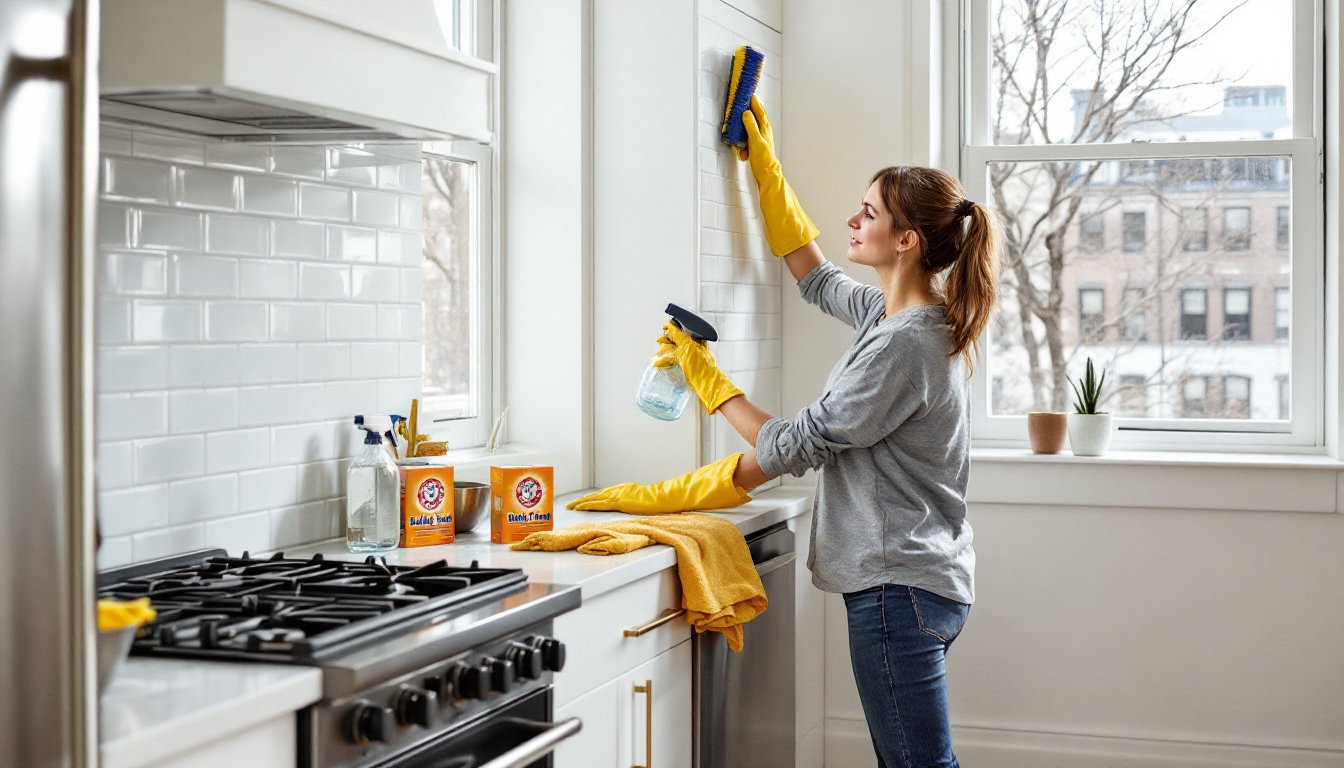
Chicago homeowners face unique cleaning challenges. Lake-effect moisture, heavy winter salt tracked indoors, urban dust, and dramatic seasonal swings mean grime accumulates faster here than in most cities. A quick vacuum and surface wipe won’t cut it. Deep cleaning tackles the buildup that regular maintenance misses, grout lines, baseboards, range hoods, and window tracks. Whether someone’s prepping for guests, recovering from winter, or just tired of living with layers of grit, this guide breaks down what deep cleaning actually involves and how to approach it room by room in a Chicago home.
Table of Contents
ToggleKey Takeaways
- Deep cleaning in Chicago should occur 2–4 times yearly due to lake-effect moisture, winter salt, urban dust, and seasonal weather swings that accelerate grime buildup faster than most cities.
- A comprehensive deep cleaning checklist for Chicago homes includes kitchen grease removal, bathroom mold prevention, baseboards, appliance coils, grout lines, and HVAC vents to improve indoor air quality and extend appliance lifespan.
- DIY deep cleaning costs $50–$100 in supplies but requires a full day of work, while professional deep cleaning services in Chicago typically charge $200–$400 per session and offer faster, commercial-grade results.
- Chicago’s climate demands specific products like oxygen-based grout cleaners, citric acid or vinegar-based multi-surface cleaners, HEPA-filter vacuums, and steam cleaners to handle mineral deposits, salt residue, and mildew.
- Spring, summer, fall, and winter each require different deep cleaning priorities in Chicago—from post-heating dust and window cleaning in spring to humidity management in summer and furnace inspection before winter.
- Consistency with quarterly deep cleaning prevents overwhelming buildup and is more cost-effective than sporadic, intense cleaning sessions or expensive emergency professional services.
What Is Deep Cleaning and Why Chicago Homes Need It
Deep cleaning goes beyond the routine tasks homeowners do weekly. It’s the difference between wiping down a countertop and scrubbing inside the microwave, behind the fridge, and under the sink. Think of it as hitting reset on every surface, appliance, and fixture.
Chicago-specific factors make deep cleaning especially critical. Winter brings road salt that grinds into entryway floors and carpets, leaving behind white residue and mineral buildup. Spring pollen coats windowsills and screens. Summer humidity encourages mildew in bathrooms and basements. Fall leaves and debris clog gutters and get tracked inside. The city’s older housing stock, plenty of homes built before 1970, means more nooks, radiators, and trim details that collect dust.
Most experts recommend a full deep clean two to four times per year, depending on household size, pets, and lifestyle. Homes with kids, multiple pets, or residents with allergies benefit from quarterly sessions. Single occupants without pets can often get by with twice yearly.
Deep cleaning also improves indoor air quality. Dust mites, pet dander, and mold spores accumulate in upholstery, behind appliances, and inside HVAC vents. According to Good Housekeeping, regular deep cleaning reduces allergens and respiratory irritants, which matters in a city where homes are sealed tight against cold for months at a time.
It’s not just about health. Deep cleaning extends the life of finishes, appliances, and fixtures. Grease buildup on range hoods becomes a fire hazard. Hard water deposits corrode faucet aerators. Neglected grout invites mold that eventually requires costly tile replacement.
Room-by-Room Deep Cleaning Checklist for Chicago Homeowners
A systematic approach prevents missed spots. Tackle one room at a time, working top to bottom so dust and debris fall onto surfaces that’ll be cleaned next.
Kitchen Deep Cleaning Essentials
Kitchens see the most action and accumulate grease, food particles, and moisture. Start with the range hood and filters. Remove filters and soak in hot water with degreasing dish soap for 15–20 minutes. Scrub with a stiff brush. If filters are aluminum mesh and heavily caked, a solution of baking soda and boiling water works wonders.
Pull out the refrigerator and stove. Vacuum coils on the back of the fridge, dusty coils reduce efficiency and shorten appliance life. Wipe down sides and the floor beneath. Same for the stove: crumbs and grease collect underneath.
Clean inside the oven if it’s not self-cleaning. Use a commercial oven cleaner or a paste of baking soda and water. Let it sit overnight, then scrub with a non-scratch pad. Wear rubber gloves and work in a ventilated space, oven cleaners are caustic.
Wipe down cabinet fronts, including edges and handles. Grease film builds up near the stove. A mix of warm water and mild dish soap usually does it: for stubborn spots, add a little white vinegar.
Don’t skip the dishwasher. Remove the filter at the bottom and rinse it. Run an empty cycle with a dishwasher cleaner or a cup of white vinegar on the top rack to clear mineral deposits.
Scrub grout lines on tile backsplashes and floors. A grout brush and a paste of baking soda and hydrogen peroxide lift stains. For tough mildew, a diluted bleach solution works, but test in an inconspicuous spot first and ensure good ventilation.
Bathroom Deep Cleaning Tips
Bathrooms battle constant moisture, especially in Chicago’s humid summers. Start by removing everything from counters, shelves, and the shower.
Shower and tub: Spray with a bathroom cleaner or a 1:1 mix of white vinegar and dish soap. Let it sit 10–15 minutes, then scrub with a non-scratch sponge. For soap scum on glass doors, a paste of baking soda works well. Rinse thoroughly.
Clean grout and caulk. Grout brushes reach into lines: for mildewed caulk, sometimes recaulking is the only real fix. Scraping out old caulk and applying fresh silicone caulk is a straightforward DIY task, just make sure surfaces are completely dry before applying.
Toilet: Remove the seat if possible (most unscrew easily) and clean the hinges and underside. Use a pumice stone on hard water rings inside the bowl, wet the stone and the porcelain, then gently scrub. It won’t scratch glazed porcelain.
Wipe down tile walls and floors, including baseboards. Moisture creeps behind baseboards in older homes, so check for soft spots or mildew. If baseboards feel spongy, that’s a sign of water damage that needs attention beyond cleaning.
Clean exhaust fan covers. Pop off the cover, vacuum dust from the fan blades, and wash the cover in warm soapy water. A clogged exhaust fan doesn’t pull moisture effectively, leading to mold growth.
Many homeowners overlook bathroom cleaning when they focus solely on kitchens, but professional cleaning services often include both areas in standard deep clean packages for good reason.
DIY Deep Cleaning vs. Hiring Professional Services in Chicago
Deciding between DIY and hiring out depends on time, physical ability, and the scope of work.
DIY deep cleaning saves money but requires a full day or weekend, plus the right tools and products. Expect to spend $50–$100 on supplies if starting from scratch: all-purpose cleaner, degreaser, glass cleaner, scrub brushes, microfiber cloths, and possibly a steam cleaner rental ($30–$40/day from hardware stores). It’s manageable for most homeowners willing to put in the sweat equity.
Professional services in Chicago typically charge $200–$400 for a standard deep clean of a 1,500–2,000 sq. ft. home. Prices vary based on home size, condition, and service add-ons like interior window cleaning, carpet shampooing, or oven detailing. Companies often offer discounts for recurring bookings (e.g., quarterly plans).
Pros bring commercial-grade equipment, steam cleaners, HEPA-filter vacuums, extendable brushes, and experience with tough jobs. They’re faster and can handle physically demanding tasks like moving appliances or scrubbing high ceilings. For homes with mobility-limited residents, elderly homeowners, or families juggling tight schedules, it’s often worth the cost.
That said, some homeowners prefer the control and thoroughness of doing it themselves. You know your home’s trouble spots better than anyone. Plus, some enjoy the satisfaction of the work. If someone’s already investing in quality cleaning tools and likes hands-on projects, DIY makes sense.
A hybrid approach works too: hire pros once or twice a year for the heavy lift, then maintain with routine DIY cleaning in between. This keeps costs down while ensuring neglected areas get attention.
Another option is booking cleaning home services for specific tasks, oven cleaning, window washing, or carpet steaming, rather than a full-house deep clean. Many Chicago-area companies offer à la carte pricing.
Best Deep Cleaning Products and Tools for Chicago’s Climate
Chicago’s weather demands products that handle mineral deposits, salt residue, and mildew.
Multi-surface cleaners: Look for formulas that cut grease and handle hard water stains. Products with citric acid or vinegar bases work well on mineral buildup common in Chicago’s water.
Degreaser: Essential for kitchens. A commercial degreaser like Krud Kutter or Simple Green tackles baked-on grease. For a DIY option, mix equal parts white vinegar, water, and a squirt of dish soap in a spray bottle.
Grout cleaner: Oxygen bleach (like OxiClean) is gentler than chlorine bleach and effective on grout. Mix with water to form a paste, apply, let sit, then scrub with a grout brush.
Glass cleaner: Streak-free formulas matter for Chicago’s abundance of windows. A mix of equal parts water and white vinegar works, but commercial options like Windex or Invisible Glass save time.
Microfiber cloths: Invest in a set of 12–24. They’re reusable, machine-washable, and more effective than paper towels or cotton rags. Use different colors for different tasks (e.g., blue for glass, yellow for kitchens) to avoid cross-contamination.
Scrub brushes: A variety pack with different stiffness levels handles everything from tile to upholstery. A grout brush with stiff nylon bristles is non-negotiable for tile work.
Steam cleaner: Not essential, but a game-changer for tough jobs. Handheld models ($40–$100) sanitize grout, loosen baked-on grime, and refresh upholstery without chemicals. Larger units ($150–$300) handle floors and carpets. According to cleaning experts at Real Simple, steam cleaning is one of the most effective methods for eliminating bacteria without harsh chemicals.
Vacuum with HEPA filter: Critical for Chicago homes, especially older ones with dust from radiators and forced-air systems. HEPA filters trap fine particles that standard vacuums recirculate.
Extension poles and brushes: Chicago homes with high ceilings, crown molding, or tall windows benefit from extendable dusters and scrubbers. They reduce ladder use and make the job safer.
Safety gear: Rubber gloves protect hands from harsh cleaners. Safety goggles prevent splashes when working overhead or with caustic products. If using bleach or ammonia-based cleaners, ensure ventilation, open windows and run exhaust fans.
Seasonal Deep Cleaning Schedule for Chicago Residents
Chicago’s four distinct seasons dictate when certain tasks make the most sense.
Spring (March–May): After months of closed windows and heating, tackle dust buildup and winter grime. Focus on windows inside and out, wash curtains and bedding, vacuum and flip mattresses, and clean behind radiators. Check basement and crawl spaces for moisture or mold from snowmelt. Spring is ideal for carpet shampooing before summer humidity.
Summer (June–August): Address humidity-related issues. Clean and inspect basement dehumidifiers, scrub bathroom grout and caulk, and check for mildew in closets and under sinks. It’s also a good time for exterior tasks, power wash siding, clean gutters, and wash exterior windows. Summer’s longer days make outdoor work more manageable.
Fall (September–November): Prep for winter. Clean and inspect the furnace and ductwork (or hire an HVAC tech). Vacuum vents and registers, wash walls and baseboards, and deep-clean entryways where salt and snow will soon be tracked in. Fall is also smart for refrigerator coil cleaning before holiday cooking season.
Winter (December–February): Focus on interior tasks best done when outdoor work isn’t an option. Organize and clean closets, kitchen cabinets, and pantries. Detail appliances, inside the oven, behind the washer and dryer, under the fridge. Winter’s drier indoor air means cleaned surfaces dry faster, which helps when washing upholstery or grout.
For those who prefer detailed guidance on maintaining a clean home year-round, resources from Martha Stewart offer seasonal checklists tailored to different climates.
General rule: Deep clean high-traffic areas (kitchens, bathrooms, entryways) quarterly. Tackle less-used spaces (guest rooms, basements, attics) once or twice a year. Adjust based on household needs, a home with three kids and two dogs needs more frequent attention than a single-occupant condo.
Consistency beats intensity. A quarterly routine prevents the kind of buildup that turns a manageable DIY project into an overwhelming ordeal, or an expensive professional job. Chicago’s grime is relentless, but staying ahead of it with a seasonal schedule keeps a home cleaner, healthier, and easier to maintain.


